
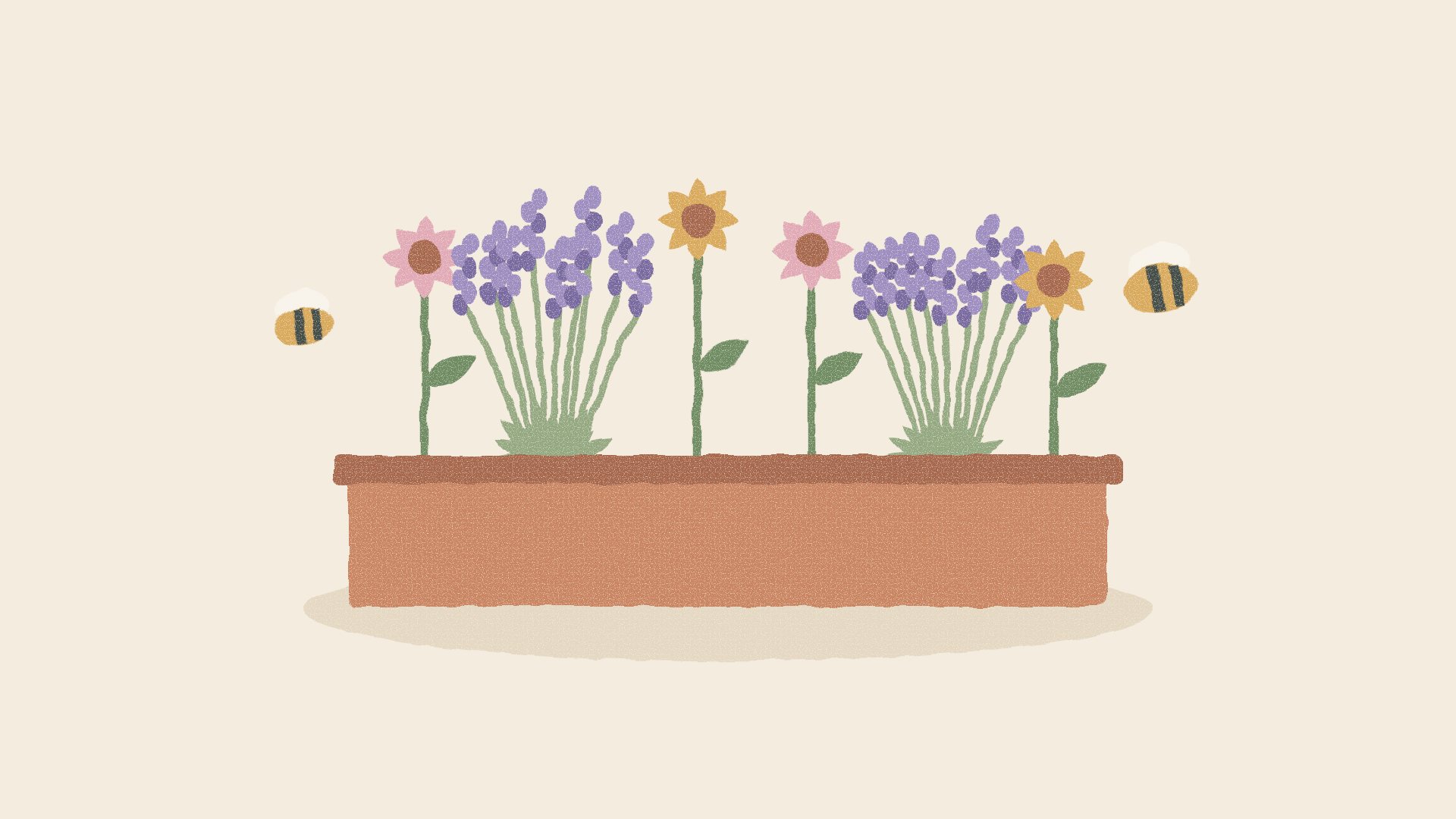
A bee-friendly balcony: flowers from April to October
Germany is home to around 560 species of wild bee, and about half of them are considered endangered. Many specialise in particular plants and fly only a few hundred metres. Every balcony and bed with the right flowers is therefore a stepping stone that counts.
approx. 560
wild bee species
300 m
flight range of many species
7 months
of flowers needed
Single rather than double
Double flowers look lush but offer hardly any food: the stamens have been bred into extra petals, and pollen and nectar are missing or out of reach. For insects, simple, open flowers count – as found on coneflowers, lavender or sage.
Colour matters too: bees see blue, violet and yellow particularly well, but hardly see red at all.
Flowering calendar for balcony and bed
| Month | Plant | Location |
|---|---|---|
| April–May | rosemary, grape hyacinth | sunny |
| May–June | sage, cranesbill | sunny to partial shade |
| June–August | lavender, catmint, thyme | full sun |
| July–September | coneflower, butterfly bush | sunny |
| September–October | stonecrop, asters | sunny |
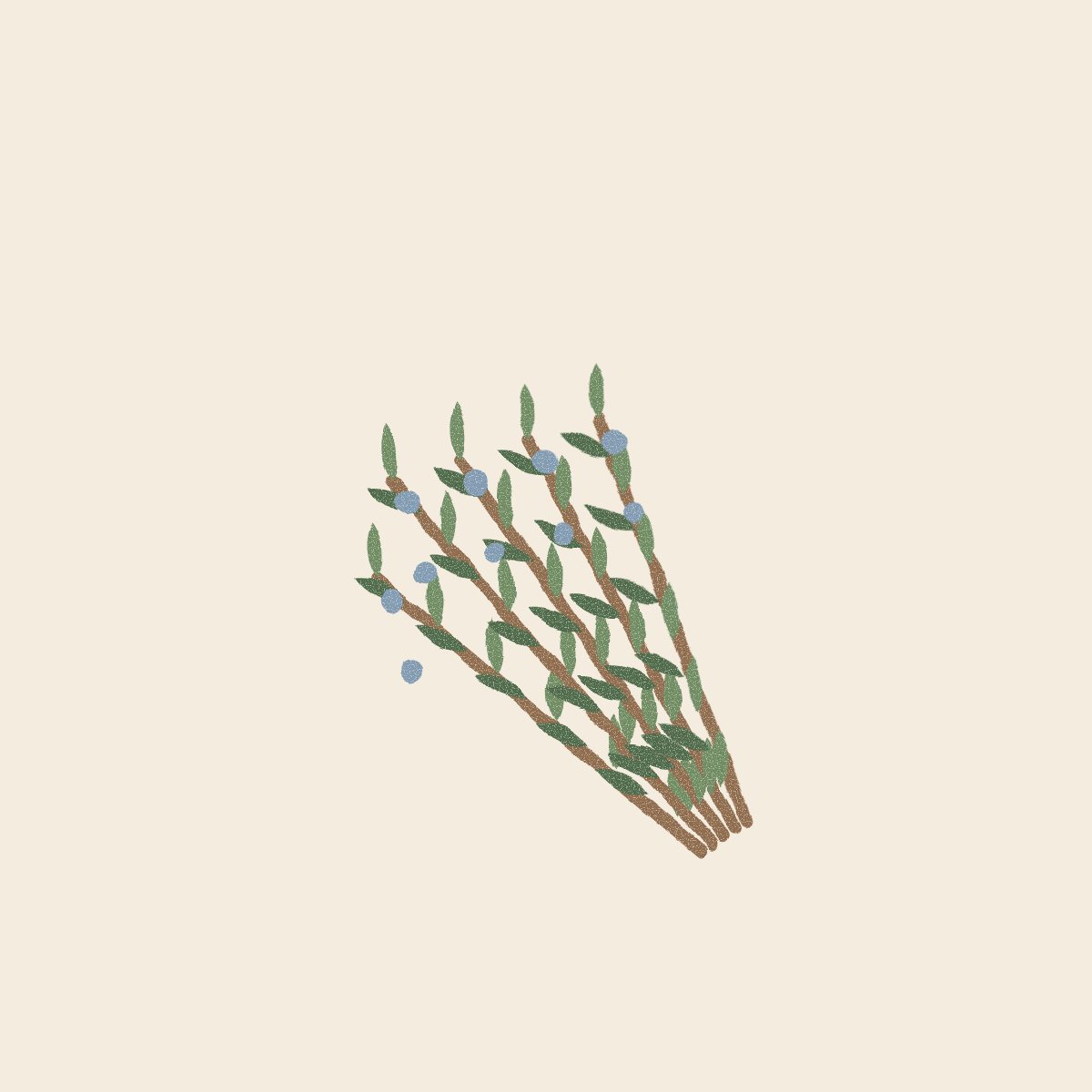
The early start is covered by rosemary “Arp”, high summer by the lavender and late summer by the butterfly bush.
More than flowers
- Water point: a shallow dish with stones as landing spots
- Nesting aid: hollow stems or drilled hardwood, sunny and sheltered from rain
- Open soil: three quarters of wild bees nest in the ground – a pot of sand helps
- No pesticides: even organic products harm insects
A window box of lavender, thyme and catmint feeds more bees in summer than an entire manicured lawn.
The right perennials also come ready-assembled as a bee pasture set – with further combinations among the bed sets.
Bee-friendly plants


Most wild bees are peaceful, and their sting is often too weak to penetrate human skin.
Yes, with shade-flowering plants such as cranesbill, bellflower and lungwort.
